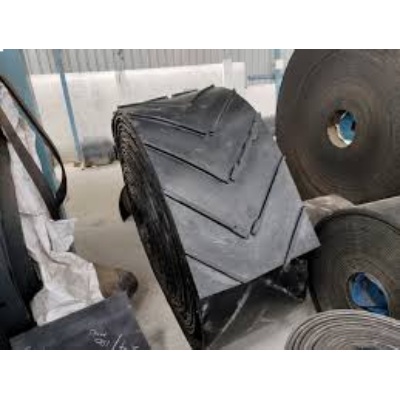
Description
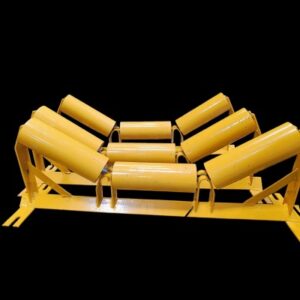
A Conveyor Belt is a continuous loop of flexible material used to transport bulk materials or unit loads in a controlled, efficient, and safe manner. It forms the core component of a conveyor system, supported by rollers or a slider bed, and powered by pulleys. Conveyor belts are designed to handle light, medium, or heavy-duty applications across industries such as mining, cement, ports, manufacturing, and logistics.
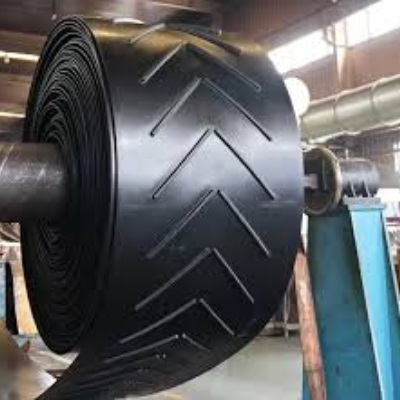
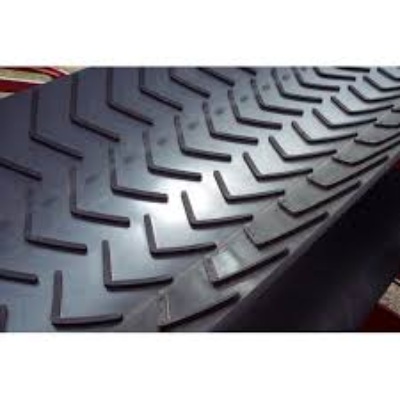
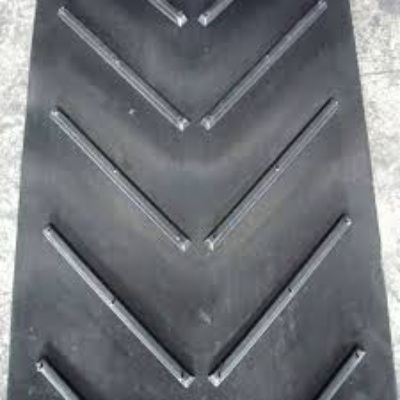
Conveyor belts are available in various materials, surface textures, and structural designs to meet the specific requirements of different industries—ranging from general-purpose rubber belts to specialized fire-resistant, oil-resistant, heat-resistant, food-grade, and chevron-patterned belts.
Key Features:
-
High Tensile Strength: Manufactured with strong carcass materials such as polyester-nylon (EP), nylon-nylon (NN), steel cord, or cotton.
-
Wear & Abrasion Resistance: Special rubber compounds extend service life under heavy load conditions.
-
Custom Surface Profiles: Smooth, rough-top, or cleated designs for steep inclines.
-
Temperature & Chemical Resistance: Options available for heat, oil, acid, and alkali exposure.
-
Wide Range of Widths & Thicknesses: Tailored to belt load, speed, and application needs.
Applications:
-
Mining & Quarrying
-
Cement & Aggregate Handling
-
Steel & Power Plants
-
Fertilizer & Chemical Processing
-
Ports & Bulk Cargo Terminals
-
Food & Beverage Processing (food-grade belts)
-
Packaging & Logistics
Benefits:
-
Ensures continuous, high-capacity material flow
-
Reduces manual handling and operational costs
-
Designed for long service life in demanding conditions
-
Customizable for specific industries and materials
-
Compatible with standard and specialized conveyor systems
Reviews
There are no reviews yet.